Strategies for Effective UI and UX Design Implementation
Alok Kumar - SEO Executive at Kodehash Technologies
Alok Kumar is a dedicated and results-driven SEO Executive currently contributing his expertise to the dynamic team at Kodehash Technologies. With a passion for digital marketing and a keen understanding of search engine optimization strategies, Alok plays a crucial role in enhancing online visibility and driving organic traffic for clients.
Professional Background: Alok brings a wealth of experience in the field of SEO, having honed his skills through hands-on work and staying abreast of the latest industry trends. His journey in the realm of digital marketing has been marked by a commitment to delivering tangible results for clients across various industries.
Expertise: As an SEO Executive, Alok Kumar excels in conducting comprehensive keyword research, on-page and off-page optimization, and implementing effective link-building strategies. His analytical mindset allows him to interpret data and make informed decisions, ensuring optimal performance in search engine rankings.
Key Contributions at Kodehash Technologies: In his role at Kodehash Technologies, Alok has been instrumental in developing and executing successful SEO campaigns that have significantly improved the online presence and visibility of clients. His strategic approach to SEO aligns with the company's commitment to delivering top-notch digital solutions.
Education: Alok holds a degree in Computer Science & Engineering from [Uttrakhand technical University. His academic background, combined with a passion for continuous learning, equips him with a well-rounded understanding of the ever-evolving landscape of digital marketing.
Personal Attributes: Beyond his professional accomplishments, Alok is known for his collaborative spirit, strong work ethic, and proactive approach to problem-solving. He thrives in dynamic environments and is always eager to take on new challenges that push the boundaries of his skill set.
Connect with Alok Kumar:
- Email: alok.k@kodehash.com
Alok Kumar's commitment to staying ahead of the curve in SEO practices makes him an invaluable asset to the Kodehash Technologies team. His combination of technical expertise and a strategic mindset ensures that clients receive high-quality, customized solutions to meet their digital marketing objectives.
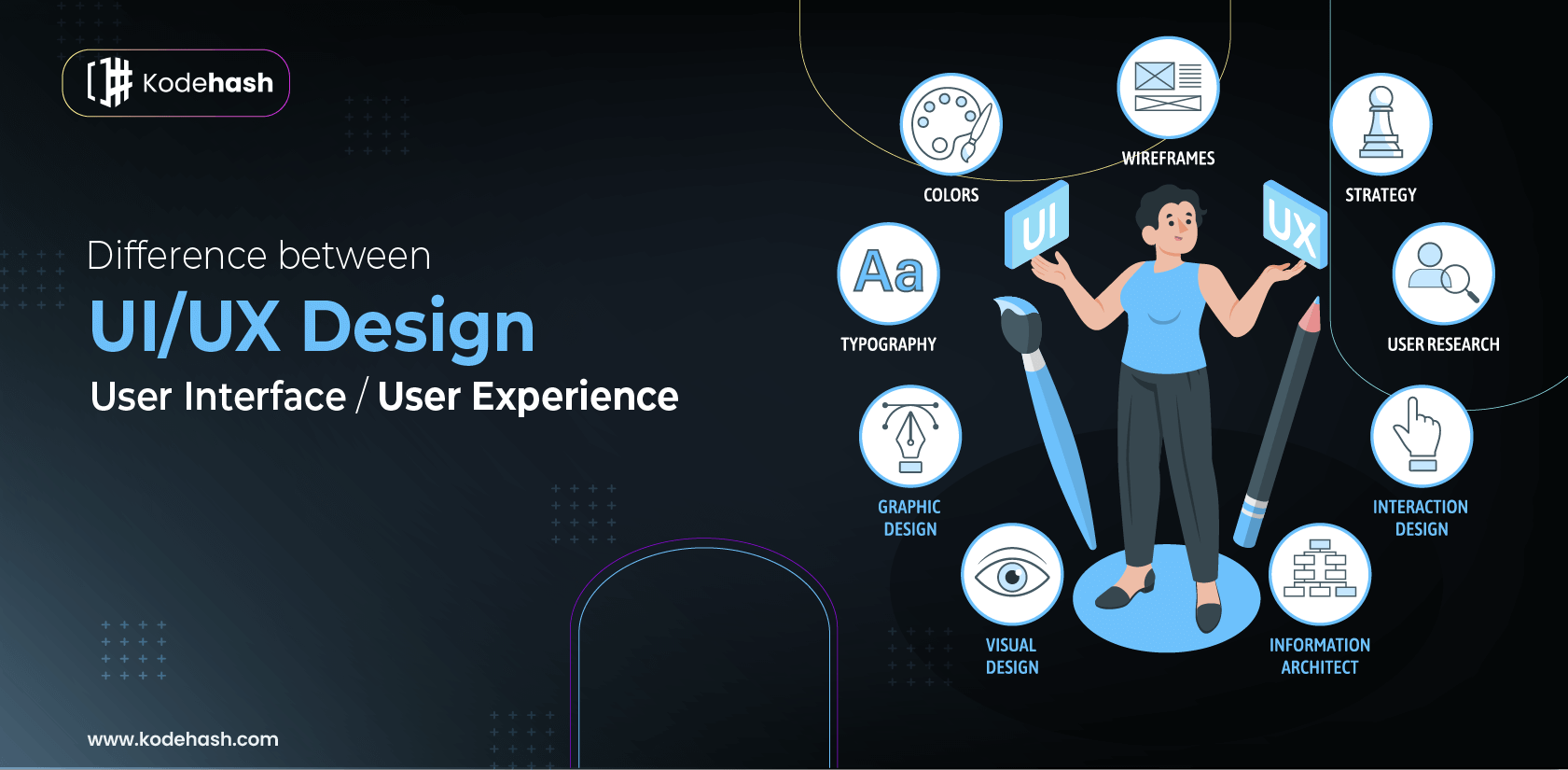
In today's digital landscape, user interface (UI) and user experience (UX) design play a crucial role in creating successful digital products and services. UI design focuses on the visual aspects of a digital interface, while UX design is concerned with the overall user experience, including usability, accessibility, and satisfaction. To ensure that UI and UX design efforts are effectively implemented and contribute to the success of a product or service, it is essential to employ strategic approaches that prioritize user needs, optimize usability, and enhance engagement. In this comprehensive guide, we explore key strategies for implementing UI and UX design effectively, from initial concept development to final product launch.
Conduct User Research:
A fundamental aspect of effective UI and UX design implementation is conducting thorough user research. By understanding the needs, preferences, and behaviors of your target audience, you can design interfaces that meet their expectations and address their pain points. User research methods may include surveys, interviews, focus groups, and usability testing. By gathering insights directly from users, you can make informed design decisions that prioritize user needs and preferences.
Define Clear Objectives and Goals:
Before embarking on the design process, it is essential to define clear objectives and goals for your UI and UX design efforts. What are you hoping to achieve with your digital product or service? What specific user behaviors or outcomes are you aiming to influence? By establishing clear objectives and goals, you can align your design efforts with the broader strategic objectives of your organization and ensure that your design decisions are purposeful and focused.
Create User Personas:
User personas are fictional representations of your target audience, based on real user research data. Creating user personas can help you empathize with your users and design interfaces that resonate with their needs, preferences, and behaviors. When developing user personas, consider factors such as demographics, psychographics, goals, pain points, and preferred communication channels. By creating user personas, you can ensure that your design decisions are user-centered and tailored to the specific needs of your target audience.
Focus on Usability and Accessibility:
Usability and accessibility are critical considerations in UI and UX design implementation. A usable interface is intuitive, easy to navigate, and efficient to use, while an accessible interface is inclusive and can be used by people of all abilities. To optimize usability, consider factors such as information architecture, navigation design, and content organization. To enhance accessibility, ensure that your interface complies with web accessibility standards, such as the Web Content Accessibility Guidelines (WCAG), and consider the needs of users with disabilities.
Iterate and Test:
UI and UX design is an iterative process that involves continuous refinement and improvement based on user feedback and insights. Throughout the design process, it is essential to prototype your designs and conduct usability testing to identify areas for improvement and validate design decisions. Usability testing methods may include remote user testing, in-person usability testing, and A/B testing. By iterating on your designs based on user feedback and testing results, you can refine your interface and ensure that it meets users' needs and expectations.
Collaborate Across Disciplines:
Effective UI and UX design implementation require collaboration across disciplines, including designers, developers, product managers, and stakeholders. By fostering a collaborative environment and involving key stakeholders in the design process, you can ensure that everyone is aligned on the project goals and invested in the success of the final product. Collaboration also allows for diverse perspectives and expertise to be integrated into the design process, leading to more innovative and effective solutions.
Stay Updated on Design Trends and Best Practices:
The field of UI and UX design is constantly evolving, with new trends, technologies, and best practices emerging regularly. To stay ahead of the curve and ensure that your designs remain relevant and competitive, it is essential to stay updated on the latest design trends and best practices. Follow industry blogs, attend conferences and workshops, and participate in online communities to learn from other designers and stay informed about emerging trends and technologies.
In conclusion, effective UI and UX design implementation requires a strategic approach that prioritizes user needs, optimizes usability, and fosters collaboration across disciplines. By conducting user research, defining clear objectives and goals, creating user personas, focusing on usability and accessibility, iterating and testing, collaborating across disciplines, and staying updated on design trends and best practices, you can ensure that your UI and UX design efforts are effective and contribute to the success of your digital products and services.